

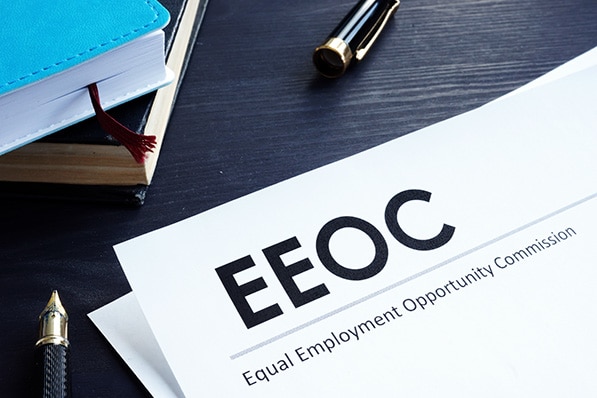
On January 22, 2026, the U.S. Equal Employment Opportunity Commission (EEOC) voted 2-1 to rescind its Enforcement Guidance on Harassment in the Workplace, which was originally adopted in 2024. While the vote to rescind the guidance took effect immediately, the EEOC’s withdrawal does not change federal or state anti-discrimination laws and will have limited impact outside of EEOC enforcement actions.
As previously reported, the EEOC’s 2024 workplace harassment guidance updated, consolidated and replaced five prior EEOC guidance documents. The guidance expanded on a wide range of harassment issues, including harassment involving workers aged 40 years or older, immigrant workers and survivors of gender-based violence. It also addressed practical realities of the modern workplace, including how technology can contribute to harassment in virtual workplaces and through social media.
The 2024 EEOC guidance also reinforced protections for LGBTQ+ employees, emphasizing that harassment of transgender workers may violate Title VII of the Civil Rights Act. Those provisions prompted the State of Texas to file a lawsuit in 2024, challenging the guidance on the grounds that it exceeded the EEOC’s statutory authority. In May 2025, a federal court agreed with the plaintiffs and ordered that those sections of the guidance relating to sexual orientation and gender identity be vacated.
Rather than revising or rescinding only those portions of the guidance, the EEOC voted 2-1 to rescind the guidance in its entirety. At this time, it is unclear whether the EEOC will issue new or revised workplace harassment guidance.
Although the EEOC’s action received widespread media attention, rescinding the guidance has minimal legal effect. EEOC guidance is not binding on federal or state courts. Instead, it serves to inform employers of the EEOC’s interpretation of the law and how the agency approaches enforcement, which can be a helpful resource to employers and relevant in EEOC enforcement actions. However, withdrawing the guidance does not change or undermine existing federal law, including Title VII of the Civil Rights Act. Nor does it impact any state laws, including California’s Fair Employment and Housing Act, which prohibits discrimination based on sexual orientation, gender identity or gender expression.
In short, when it comes to preventing workplace harassment, California employers should carry on with business as usual, including maintaining written harassment prevention policies and staying current with their harassment prevention training obligations.
James W. Ward, J.D., Employment Law Subject Matter Expert/Legal Writer and Editor, CalChamber
CalChamber members can read more about harassment prevention policies and training requirements in the HR Library. Not a member? See what CalChamber can do for you.
